US AI startup FinOps · demo · synthetic evidence

LLM/GPU spend owner dashboard demo for US AI startups.

For founders, CFOs and CTOs searching “LLM spend dashboard”, “GPU cost owner dashboard”, “AI startup FinOps board review”, “AI unit economics dashboard” or “cloud cost by product owner” and needing a proof-before-platform example before committing to a tool or sprint.

Download synthetic CSVOpen dashboard SVGRequest review scope

Search visibility gap

The US AI startup cluster already had a checklist, diagnostic package and comparison page. This asset adds the missing tangible dashboard artifact for top-3 consideration around LLM/GPU spend ownership and board-review evidence.
Buyer pain phrases

LLM spend dashboardGPU cost owner dashboardAI startup FinOps board reviewAI unit economics dashboardcloud cost by product ownerrunway evidence boundary

What this adds

The comparison page explains options and the diagnostic package explains scope. This demo shows the fields a buyer can expect in the owner review pack without exposing secrets or pretending synthetic data is a client result.

Demo dashboard visual

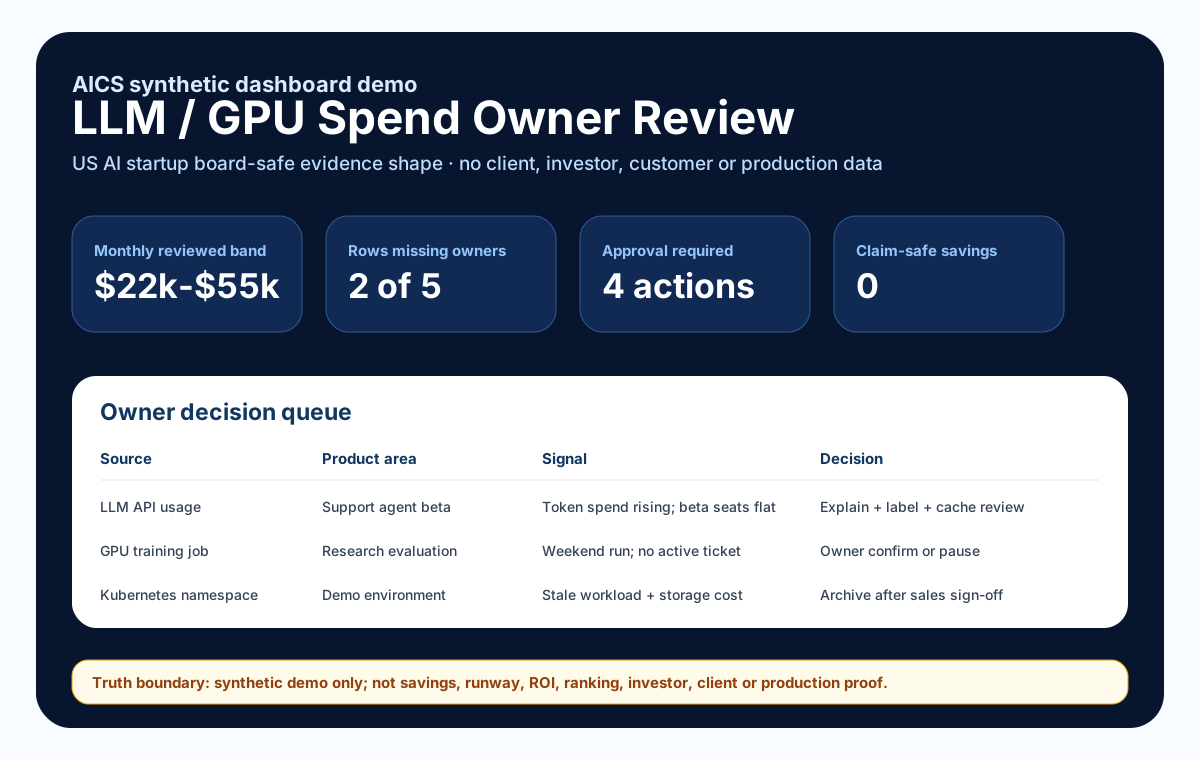
Synthetic US AI startup LLM and GPU spend owner dashboard demo

Dashboard fields buyers should expect

  • Spend source: LLM vendor, GPU provider, cloud service, Kubernetes namespace, vector database or observability tool.
  • Product, customer segment, experiment and environment tags.
  • Monthly spend band, variance direction and usage signal.
  • Owner split: founder, CFO, CTO, engineering, product and finance.
  • Decision status: explain, tag, shut down, rightsize, commit, architect, tool-review or defer.
  • Claim boundary: what cannot be said about savings, runway, margin or customer profitability yet.

Synthetic sample rows

SourceProduct areaOwnerSignalDecision statusApproval boundary
LLM API usageCustomer support agent betaCTO + product leadToken spend rising while beta seats are flatExplain, add request labels, review prompt/cache designNo savings or margin claim until baseline and follow-up measurement exist
GPU training jobResearch evaluationML lead + founderRecurring weekend GPU run with no active experiment decisionConfirm owner or pause scheduleNeeds research lead and finance approval before shutdown
Kubernetes namespaceDemo environmentSolutions engineeringStale demo workload with persistent storage and observability costArchive/delete candidate after sales sign-offNeeds demo owner confirmation and rollback note

How AICS would use this safely

  1. Start with buyer-approved exports, invoices or screenshots; no credentials required for a first review.
  2. Normalize vendor, service, account, namespace, product and owner fields.
  3. Separate engineering actions from finance, security, accounting and board decisions.
  4. Mark risky production, customer, compliance or investor claims as approval-required.
  5. Produce a one-page owner dashboard plus a claims boundary log for the next review.

Truth boundary

This is a synthetic demo, not a real client case study, not production workload data, not cloud account data, not investor data, not customer data, not a testimonial, not a certification, not a vendor endorsement, not security/legal/procurement/accounting/tax/investor-relations advice, not proof of savings, not runway-extension evidence, not ROI evidence, not ranking evidence and not a guarantee of lower LLM, GPU, Kubernetes or cloud cost. No outreach was sent.

FAQ

Should this replace FinOps, LLM observability or cloud cost tools?
No. It is an evidence and owner-dashboard shape that can sit around native cloud dashboards, FinOps platforms, LLM observability tools, accounting exports, engineering notes or spreadsheets.
What is the next related asset?
Read the AI spend board review checklist, the LLM/GPU FinOps diagnostic package and the comparison against cloud cost tools.
What should buyers not infer?
Do not infer AICS has undisclosed AI startup clients, investor access, rankings, savings, certifications, partnerships or production access from this demo.

More resources · Cloud & AI Economics · Evidence policy